



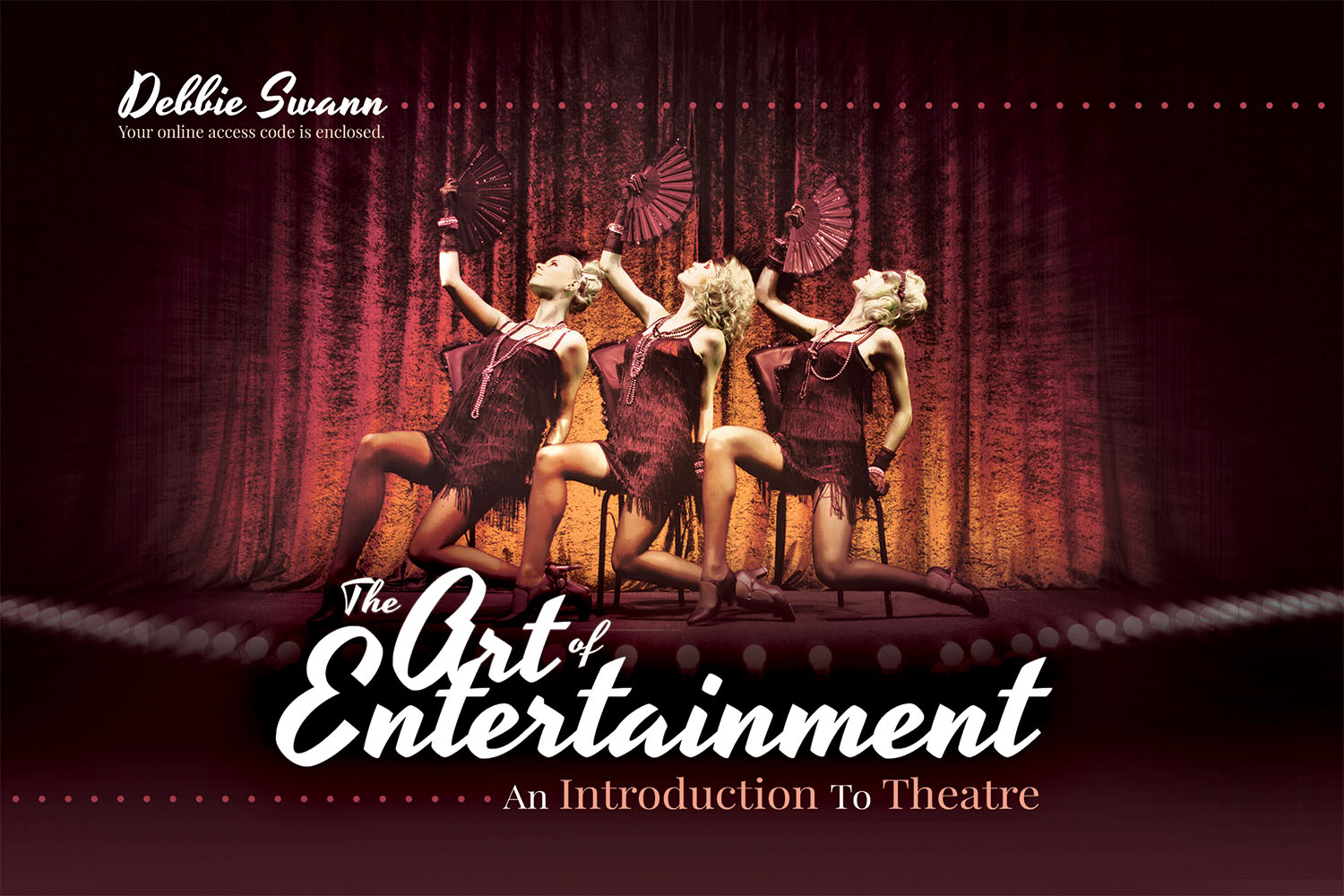
As the creator of this text, I would like to welcome you on this journey through theatre, art, and entertainment. Whether you are a theatre enthusiast or brand new to the performing arts, this text is designed with you in mind.
My desire to write this initially came from my own frustrations with Introduction to Theatre textbooks. Each one I had previously used would spend several chapters discussing how theatre is made and the artists who make it, and then shove all of theatre history and theatre’s varying styles into the last two to three chapters. That’s thousands of years’ worth of information crammed at the end. For me, this organization did not serve students or the art form. I decided to do it differently.
Each chapter introduces new concepts, artistic roles, or traits you will find in theatre. Theatre history is discussed throughout the text, hopefully making it easier to see how our past relates to our present and future in the performing arts. This third edition also includes more examples of theatre from around the world in the hopes of giving a more global perspective on theatre, not just a Eurocentric one.
Quizzes and exams have been built into the text, and your instructor will give you more information on how these are incorporated into your specific course. You will also be given instructions on how to critique art, skills you will not only use throughout the course but also ones you can continue to apply as you consume art and entertainment in your own life. Thinking critically and appreciatively about the media and arts we encounter is increasingly important in our mass-market world of consumption.
Finally, I want to thank you for taking on the challenge of live theatre. It is an art form that has more risk involved because audiences often don’t know what they are getting themselves into. But the reward is enormous.
The power of live theatre is invigorating, and I cannot wait for you to experience it for yourself.
- Chapter 1: Art or Entertainment?
- Chapter 2: The Audience and the Critic
- Chapter 3: The Cultural Identity of Theatre
- Chapter 4: The Origins of Theatre
- Chapter 5: Comedy and Tragedy
- Chapter 6: The Playwright
- Chapter 7: The Actor
- Chapter 8: The Stage
- Chapter 9: The Director and the Producer
- Chapter 10: Costume and Set Design
- Chapter 11: Lighting, Sound, Projection, and Special Effects
- Chapter 12: Funding the Theatre
- Chapter 13: Theatrical Styles
- Chapter 14: Musical Theatre
- Chapter 15: Contemporary and Future Trends