



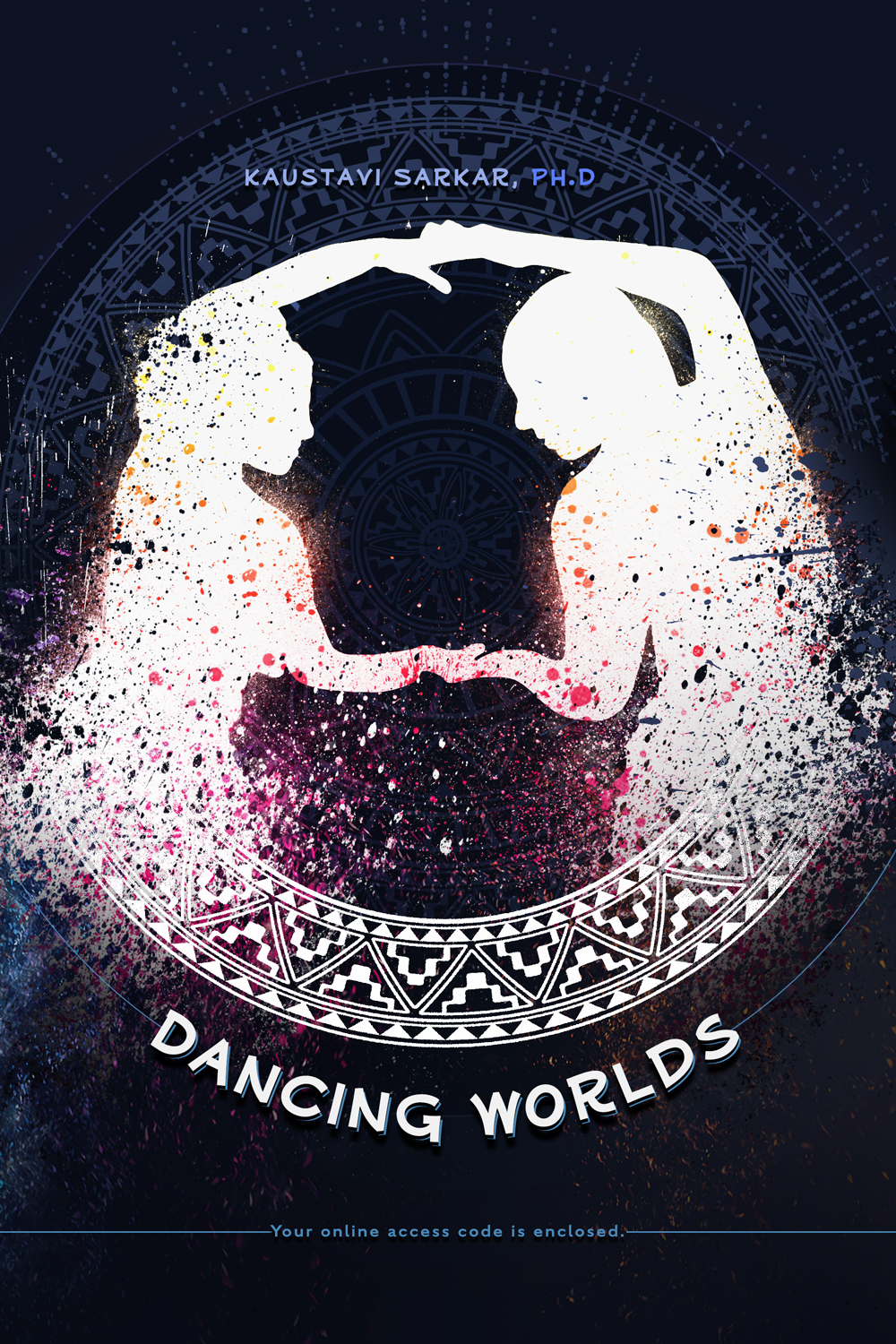
Dancing Worlds invites students to explore dance as a dynamic global practice shaped by culture, history, identity, and human experience. Through the study of diverse dance traditions, students examine how movement reflects the values, beliefs, and lived experiences of communities across time and place. The text begins with the essential question, “What is dance?” and expands students’ understanding beyond performance technique to consider dance as a form of communication, storytelling, knowledge-making, and social connection.
Across multiple units, students investigate how dance emerges from cultural traditions, rituals, social movements, migration, technology, globalization, and artistic innovation. By examining choreographers, performers, and dance practices from around the world, students explore how bodies carry histories, preserve cultural memory, negotiate identity, and create new possibilities for expression. The text highlights the relationship between aesthetics and context, encouraging students to understand that every movement is connected to particular communities, environments, and moments in history.
From classical forms to contemporary practices, from indigenous traditions to diasporic expressions, Dancing Worldsreveals dance as both an artistic practice and a reflection of humanity’s diverse experiences. Students analyze how dancers and choreographers respond to questions of belonging, representation, power, tradition, and change. Through embodied exploration and critical inquiry, the text encourages students to see dance not only as something to watch, but as a way of understanding the world and imagining new ways of connecting across cultures.
- Chapter 1: Dance and Contexts: An Introduction
- Chapter 2: Dance Across Cultures: Meanings and Premises
- Chapter 3: Dance Studies: The Field
- Chapter 4: Dance and Analysis Siegel/Foster
- Chapter 5: Dance Technology
- Chapter 6: Dance and Religion
- Chapter 7: Dance and Epistemology
- Chapter 8: Dance and Africanist Aethetics
- Chapter 9: Dance in Asia
- Chapter 10: Western Concert Dance
- Chapter 11: Dance and Indigeneity
- Chapter 12: Dance and Politics
- Chapter 13: Dance in Popular Culture
- Chapter 14: Social Dance
- Chapter 15: Dance as a Global Phenomenon: Hip-Hop